
Subtotal $0.00
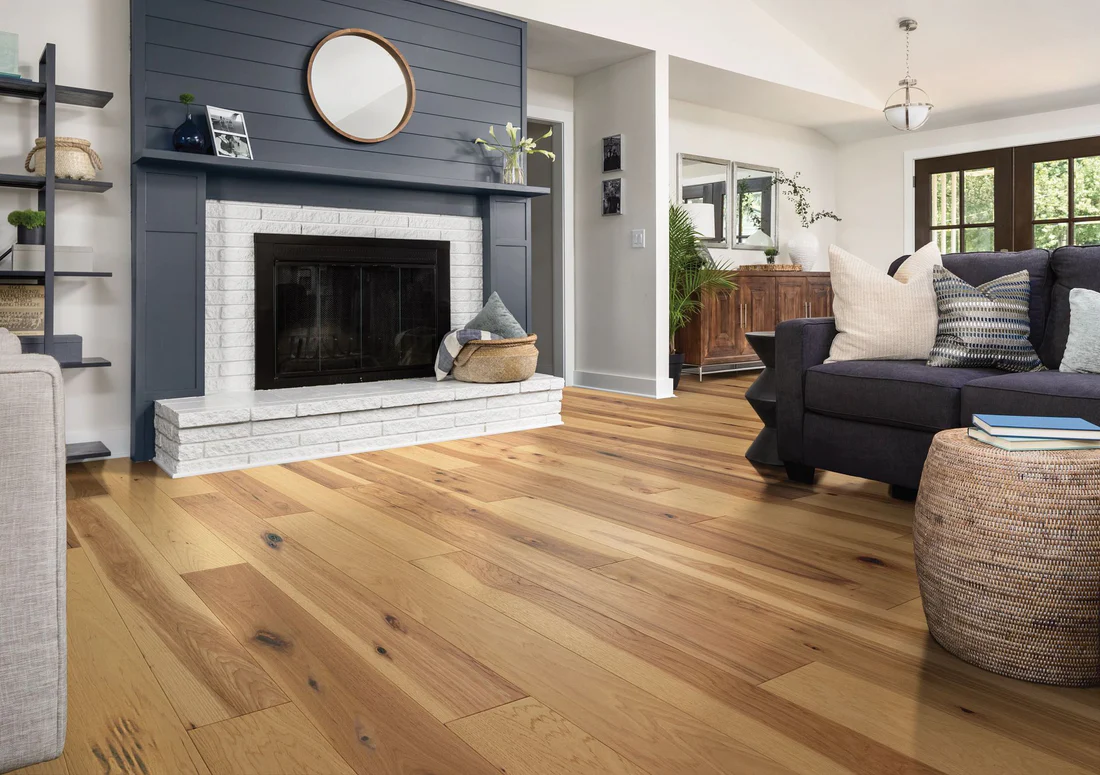
When it comes to upgrading your home or commercial space, choosing the right flooring is one of the most important decisions you’ll make. Today, homeowners and business owners are increasingly choosing engineered hardwood flooring for its durability, elegance, and long-term value. Whether you are renovating a single room or building a brand-new property, understanding the difference between traditional hardwood flooring, engineered hardwood, and even vinyl flooring can help you make a confident and informed decision.
In this comprehensive guide, we’ll explore everything you need to know about engineered hardwood flooring, including benefits, installation methods, maintenance tips, cost factors, and how it compares with other flooring options.
What Is Engineered Hardwood Flooring?
Engineered hardwood flooring is a premium flooring solution made from multiple layers of wood pressed together in a cross-grain construction. The top layer is a real hardwood veneer, while the core layers are typically made of plywood or high-density fiberboard (HDF). This layered structure makes engineered hardwood more stable and resistant to moisture compared to solid hardwood.
Unlike traditional hardwood flooring, which is milled from a single piece of timber, engineered hardwood is designed to withstand temperature changes and humidity fluctuations. This makes it ideal for basements, condos, and areas where solid hardwood may expand or contract excessively.
Engineered Hardwood vs Solid Hardwood Flooring
Both options offer natural beauty and long-lasting value, but there are key differences.
1. Construction
-
Solid hardwood flooring: Made from one solid piece of wood.
-
Engineered hardwood flooring: Multi-layer construction with a hardwood surface layer.
2. Moisture Resistance
Engineered hardwood performs better in areas with humidity changes, making it more versatile than solid hardwood.
3. Installation Flexibility
Engineered hardwood can be installed over concrete, radiant heating systems, and below grade levels. Solid hardwood is typically restricted to above-grade installations.
4. Cost
Engineered hardwood can be more cost-effective while still delivering the same authentic hardwood appearance.
Why Choose Engineered Hardwood Flooring?
There are many reasons why engineered hardwood flooring is becoming the preferred option in modern homes.
1. Authentic Hardwood Appearance
Since the top layer is real hardwood, you get the natural grain patterns, textures, and warmth associated with premium hardwood flooring.
2. Enhanced Durability
The layered construction provides increased stability and reduces the risk of warping or cupping.
3. Versatile Installation Options
You can glue, nail, staple, or float engineered hardwood flooring depending on your subfloor and project needs.
4. Eco-Friendly Choice
Because engineered hardwood uses less solid wood compared to traditional hardwood flooring, it is considered a more sustainable option.
5. Increased Property Value
Like traditional hardwood, engineered hardwood flooring enhances resale value and adds luxury appeal to any space.
Engineered Hardwood vs Vinyl Flooring
Many homeowners compare engineered hardwood flooring with vinyl flooring when selecting a new floor.
Appearance
Engineered hardwood offers genuine wood texture and depth, while vinyl flooring mimics wood through printed designs.
Durability
Vinyl flooring is highly water-resistant and suitable for kitchens and bathrooms. Engineered hardwood offers good moisture resistance but is not fully waterproof.
Comfort
Engineered hardwood provides a warmer and more natural underfoot feel compared to vinyl flooring.
Longevity
High-quality engineered hardwood flooring can last decades, especially with proper maintenance.
If you prioritize authentic wood aesthetics and long-term value, engineered hardwood flooring is often the superior choice.
Popular Types of Engineered Hardwood
Engineered hardwood flooring comes in various wood species, finishes, and plank sizes.
Oak Engineered Hardwood
Oak is the most popular choice due to its durability and classic grain patterns.
Maple Engineered Hardwood
Maple offers a smoother texture and contemporary appearance.
Hickory Engineered Hardwood
Known for strength and dramatic grain variation.
Walnut Engineered Hardwood
Adds luxury with rich, dark tones.
Each species provides the same structural advantages of engineered hardwood while offering unique visual appeal.
Installation Methods for Engineered Hardwood Flooring
One of the biggest advantages of engineered hardwood flooring is its flexible installation options.
Floating Installation
Planks click together and rest above the subfloor without glue or nails.
Glue-Down Installation
Provides stability and is ideal for concrete subfloors.
Nail or Staple Installation
Common for wooden subfloors.
Professional installation ensures proper expansion gaps and long-term performance.
Best Rooms for Engineered Hardwood Flooring
Engineered hardwood flooring is suitable for:
-
Living rooms
-
Bedrooms
-
Dining areas
-
Hallways
-
Basements
-
Offices
While vinyl flooring may be better suited for bathrooms due to high moisture levels, engineered hardwood works beautifully in most residential and commercial spaces.
Maintenance Tips for Engineered Hardwood Flooring
Maintaining engineered hardwood flooring is simple with regular care.
-
Sweep or vacuum regularly to remove dust and debris.
-
Use a damp (not wet) microfiber mop.
-
Avoid harsh chemical cleaners.
-
Use furniture pads to prevent scratches.
-
Maintain indoor humidity levels.
With proper maintenance, engineered hardwood can retain its beauty for decades, just like traditional hardwood flooring.
Cost of Engineered Hardwood Flooring
The cost of engineered hardwood flooring depends on:
-
Wood species
-
Thickness of top veneer
-
Brand and quality
-
Installation method
-
Subfloor preparation
Although it may cost more than vinyl flooring upfront, engineered hardwood provides better resale value and long-term durability.
Thickness & Wear Layer Explained
Engineered hardwood flooring typically ranges from 3/8 inch to 3/4 inch in thickness. The wear layer (top hardwood layer) can vary from 1mm to 6mm.
A thicker wear layer allows for refinishing, extending the life of the floor. This makes high-quality engineered hardwood comparable to traditional hardwood flooring in longevity.
Refinishing Engineered Hardwood Flooring
One common question is whether engineered hardwood can be refinished.
Yes, depending on the thickness of the top hardwood layer. Floors with thicker veneers can be sanded and refinished multiple times, just like solid hardwood flooring.
Design Trends in Engineered Hardwood
Modern engineered hardwood flooring trends include:
-
Wide plank designs
-
Matte finishes
-
Wire-brushed textures
-
Light natural oak tones
-
Grey and smoked finishes
These styles create contemporary interiors while maintaining the timeless appeal of hardwood.
Environmental Benefits of Engineered Hardwood
Compared to solid hardwood flooring, engineered hardwood uses fewer slow-growing trees. The plywood core maximizes material efficiency, making it a more sustainable option.
Additionally, many manufacturers use low-VOC finishes, contributing to better indoor air quality.
Engineered Hardwood for Commercial Spaces
Engineered hardwood flooring is not limited to homes. It is widely used in:
-
Retail stores
-
Offices
-
Restaurants
-
Showrooms
-
Boutique hotels
Its stability and strength make it ideal for moderate foot traffic environments.
Advantages Summary
Here’s why engineered hardwood flooring stands out:
-
Real hardwood surface
-
Enhanced moisture resistance
-
Greater dimensional stability
-
Suitable for basements
-
Compatible with radiant heating
-
Adds property value
-
Long lifespan
Compared to vinyl flooring, engineered hardwood offers superior authenticity and elegance.
Is Engineered Hardwood Right for You?
If you love the natural warmth of hardwood but need improved stability and flexibility, engineered hardwood flooring is the perfect solution. It offers the beauty of traditional hardwood flooring with enhanced performance for modern lifestyles.
For high-moisture areas, vinyl flooring might be a better alternative. However, for living spaces, bedrooms, and open-concept areas, engineered hardwood delivers unmatched sophistication.
Final Thoughts
Engineered hardwood flooring has transformed the flooring industry by combining classic hardwood beauty with innovative engineering. Whether you’re remodeling your home or upgrading a commercial property, this flooring option provides durability, elegance, and long-term value.
Choosing between hardwood flooring, engineered hardwood, and vinyl flooring depends on your space, budget, and lifestyle needs. However, for homeowners seeking authentic wood aesthetics with improved stability, engineered hardwood flooring remains one of the best investments you can make.
If you’re planning your next renovation, consider engineered hardwood flooring for a stylish, strong, and sustainable foundation that will enhance your space for years to come.