
Subtotal $0.00
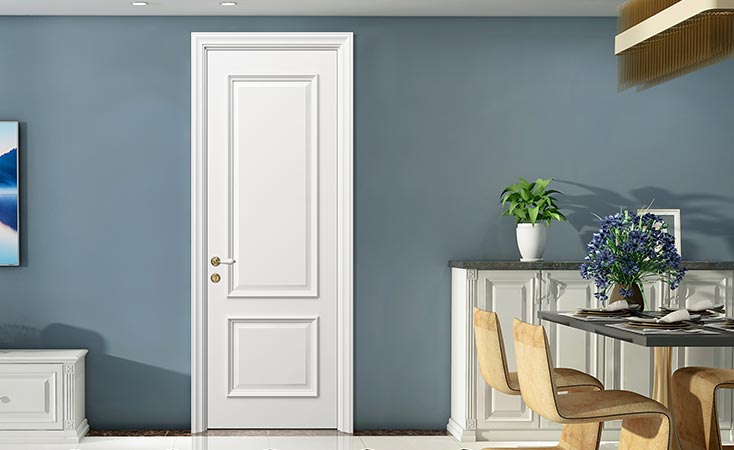
When it comes to installing new doors in your home or commercial space, choosing the right type can make a significant difference in appearance, functionality, and long-term durability. Prehung doors are one of the most popular choices for homeowners, contractors, and builders because they offer convenience, precision, and professional results. Whether you’re renovating an existing space or building from scratch, understanding prehung doors can help you make the right decision.
This comprehensive guide explains what prehung doors are, their benefits, types, materials, installation process, and why they are often the preferred option over slab doors.
What Are Prehung Doors?
A prehung door is a complete door unit that comes already mounted within its frame. It includes:
-
The door slab
-
Door frame (jambs)
-
Hinges (pre-installed)
-
Pre-cut holes for handles and locks (in most cases)
Because all components are assembled at the factory, prehung doors are designed for quick and accurate installation. They are ideal for both interior and exterior applications and help ensure proper alignment and smooth operation.
Prehung Doors vs. Slab Doors
One of the most common questions homeowners ask is the difference between prehung doors and slab doors.
Prehung Doors
-
Come with frame and hinges attached
-
Easier to install, especially for new construction
-
Provide a perfect factory-aligned fit
-
Reduce installation errors
Slab Doors
-
Only the door panel, no frame or hinges
-
Require precise measurements and carpentry skills
-
Best for replacing doors in existing frames
-
Lower upfront cost but higher labor effort
For most projects, especially when replacing an old frame or installing a new opening, prehung doors offer better value and reliability.
Benefits of Choosing Prehung Doors
1. Easy Installation
Prehung doors significantly reduce installation time because the door is already aligned within the frame. This makes them ideal for DIY homeowners and professionals alike.
2. Perfect Fit and Alignment
Since the door and frame are assembled in controlled factory conditions, you get consistent spacing and proper hinge placement, minimizing issues like sticking or uneven gaps.
3. Improved Energy Efficiency
Exterior prehung doors are often factory-sealed and weather-stripped, which helps reduce air leakage and improves insulation.
4. Professional Finish
Prehung doors deliver a clean, finished look that enhances the overall aesthetics of your space.
5. Long-Term Durability
With correct alignment and solid construction, prehung doors tend to last longer and function better over time.
Types of Prehung Doors
Prehung doors are available in various styles to suit different needs and design preferences.
Interior Prehung Doors
These doors are commonly used for bedrooms, bathrooms, closets, and offices. Popular options include:
-
Panel doors
-
Flush doors
-
French doors
-
Sliding or pocket door systems
Exterior Prehung Doors
Designed for security and weather resistance, exterior prehung doors include:
-
Front entry doors
-
Patio doors
-
Back and side doors
They often come with enhanced locking systems, insulation cores, and weather seals.
Popular Materials Used in Prehung Doors
Solid Wood
Solid wood prehung doors offer timeless beauty and durability. They are ideal for interior spaces where aesthetics are a priority.
MDF and Engineered Wood
These materials provide a smooth finish and resist warping, making them a popular choice for painted interior doors.
Fiberglass
Fiberglass prehung doors are excellent for exterior use due to their resistance to moisture, temperature changes, and dents.
Steel
Steel prehung doors offer superior security and insulation, making them ideal for main entry doors.
Glass and Hybrid Designs
Glass inserts or full glass prehung doors enhance natural light and add a modern touch to homes and offices.
Prehung Door Sizes and Custom Options
Prehung doors come in standard sizes, but custom options are also available to fit unique openings. Customization may include:
-
Door width and height
-
Frame depth
-
Swing direction (left-hand or right-hand)
-
Glass designs and finishes
-
Hardware and hinge styles
Choosing the right size ensures smooth installation and proper sealing.
Installation Process of Prehung Doors
Although professional installation is recommended, understanding the process can help homeowners prepare.
-
Remove the Old Door and Frame
-
Prepare the Opening – Ensure the opening is level and square
-
Place the Prehung Door Unit
-
Shim and Align the Frame
-
Secure the Frame with Screws or Nails
-
Test Door Operation
-
Install Trim and Hardware
Correct installation ensures long-term performance and avoids future issues.
Where Prehung Doors Are Best Used
Prehung doors are ideal for:
-
New home construction
-
Major renovations
-
Damaged or warped door frames
-
Exterior door replacements
-
Commercial and office spaces
They provide consistency, strength, and a finished look that enhances property value.
Maintenance Tips for Prehung Doors
-
Clean door surfaces regularly
-
Lubricate hinges and locks
-
Inspect weather stripping on exterior doors
-
Repaint or refinish wood doors as needed
-
Tighten loose hardware
Proper maintenance extends the life of your prehung doors and keeps them functioning smoothly.
Why Invest in High-Quality Prehung Doors?
Investing in quality prehung doors improves:
-
Home security
-
Energy efficiency
-
Visual appeal
-
Property resale value
High-quality doors reduce maintenance costs and deliver long-term satisfaction.
Final Thoughts
Prehung doors are an excellent choice for homeowners and builders looking for convenience, performance, and professional results. With their factory-assembled design, ease of installation, and wide variety of styles and materials, prehung doors simplify door replacement and new construction projects.
Whether you need interior doors for a renovation or durable exterior doors for added security, prehung doors offer a reliable and stylish solution. Choosing the right design and material ensures comfort, functionality, and lasting value for your space.