
Subtotal $0.00
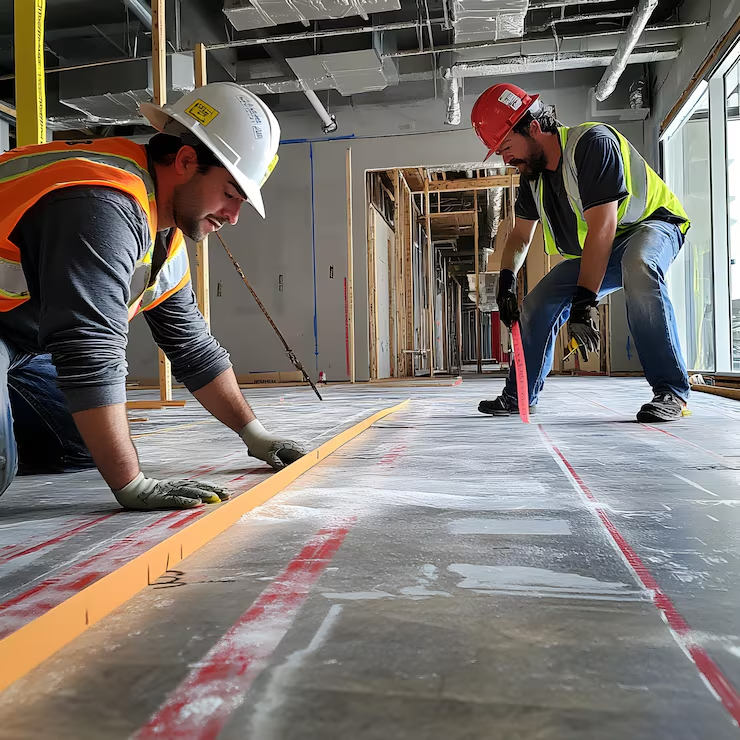
Commercial spaces require flooring solutions that are durable, safe, visually appealing, and capable of handling heavy foot traffic. This is where Commercial Flooring Contractors play a vital role. Whether it is an office building, retail store, restaurant, hospital, or industrial facility, the right flooring installed by experienced professionals ensures long-term performance and enhances the overall environment of the business.
Professional Commercial Flooring Contractors provide expert guidance, high-quality materials, and skilled installation services to deliver flooring systems designed for commercial use. Businesses rely on these specialists to install floors that are not only attractive but also resistant to wear, moisture, stains, and heavy equipment.
In this comprehensive guide, we will explore the importance of hiring commercial flooring experts, the types of commercial flooring available, installation processes, benefits, and how to choose the right contractor for your project.
What Are Commercial Flooring Contractors?
Commercial Flooring Contractors are specialized professionals who design, supply, install, repair, and maintain flooring systems for commercial properties. Unlike residential flooring installers, commercial contractors work on larger projects that require specialized equipment, materials, and technical expertise.
These contractors typically handle flooring projects in:
- Corporate offices
- Shopping malls
- Hospitals and clinics
- Hotels and restaurants
- Schools and universities
- Warehouses and factories
- Retail stores
- Airports and public buildings
A professional contractor ensures that the flooring meets industry standards, safety regulations, and performance requirements.
Why Businesses Need Professional Commercial Flooring Contractors
Installing flooring in a commercial space is very different from residential flooring. Businesses require floors that can withstand constant use, heavy loads, and strict safety requirements.
1. Expertise in Commercial Materials
Professional Commercial Flooring Contractors understand which materials work best for different industries. For example:
- Healthcare facilities require hygienic and easy-to-clean flooring.
- Retail stores need attractive and durable floors.
- Warehouses need impact-resistant surfaces.
Contractors recommend the best options based on your business needs.
2. Professional Installation
Improper installation can lead to uneven surfaces, cracks, and early wear. Experienced contractors use specialized tools and techniques to ensure flawless installation.
3. Compliance With Safety Standards
Commercial buildings must meet strict safety regulations. Flooring contractors ensure slip resistance, fire safety compliance, and accessibility standards.
4. Long-Term Durability
High-quality commercial flooring installed by professionals can last many years with minimal maintenance.
5. Cost Efficiency
Although professional installation may seem expensive initially, it prevents costly repairs and replacements in the future.
Types of Commercial Flooring Solutions
Commercial flooring contractors offer a wide range of flooring materials to suit different business environments.
Luxury Vinyl Flooring
Luxury vinyl flooring is one of the most popular choices for commercial spaces due to its durability and design flexibility.
Key Features
-
Water resistant
-
Scratch resistant
-
Affordable
-
Wide variety of designs
-
Easy maintenance
Many offices and retail stores choose luxury vinyl plank flooring because it replicates the look of hardwood while offering superior durability.
Commercial Carpet Tiles
Carpet tiles are widely used in offices, conference rooms, and hospitality spaces.
Benefits
-
Comfortable underfoot
-
Noise reduction
-
Easy replacement of damaged tiles
-
Stylish design options
Commercial flooring contractors often recommend carpet tiles for office environments because they provide a professional and comfortable atmosphere.
Epoxy Flooring
Epoxy flooring is commonly used in industrial and commercial facilities.
Advantages
-
Chemical resistant
-
Highly durable
-
Easy to clean
-
Slip resistant
Warehouses, manufacturing plants, and garages often install epoxy flooring because it can withstand heavy machinery and high traffic.
Polished Concrete Flooring
Polished concrete has become increasingly popular in modern commercial spaces.
Features
-
Sleek and modern appearance
-
Extremely durable
-
Low maintenance
-
Cost effective
Retail stores, restaurants, and commercial showrooms often choose polished concrete flooring for its industrial yet stylish look.
Ceramic and Porcelain Tile
Tile flooring is ideal for businesses that require water-resistant surfaces.
Ideal for
-
Restaurants
-
Hotels
-
Bathrooms
-
Kitchens
Tiles provide a durable and hygienic flooring solution for spaces where cleanliness is essential.
Hardwood Flooring
Hardwood flooring creates a premium and elegant look for commercial interiors.
Common Uses
-
Luxury retail stores
-
Boutique hotels
-
Corporate offices
Commercial flooring contractors often install engineered hardwood in commercial settings because it is more stable than traditional hardwood.
The Commercial Flooring Installation Process
Professional Commercial Flooring Contractors follow a systematic installation process to ensure high-quality results.
1. Site Inspection and Assessment
The first step is evaluating the project site. Contractors inspect:
-
Subfloor condition
-
Moisture levels
-
Foot traffic requirements
-
Environmental conditions
This helps determine the best flooring material for the project.
2. Material Selection
After evaluating the site, contractors recommend the most suitable flooring options based on:
-
Budget
-
Durability
-
Design preferences
-
Industry requirements
Choosing the right material ensures long-term performance.
3. Subfloor Preparation
Subfloor preparation is a crucial step in commercial flooring installation.
Contractors may perform:
-
Surface leveling
-
Moisture barrier installation
-
Concrete grinding
-
Crack repairs
A properly prepared subfloor ensures a stable and long-lasting flooring system.
4. Flooring Installation
Experienced installers use specialized tools and techniques to install the selected flooring material.
This stage includes:
-
Cutting and fitting materials
-
Adhesive application
-
Precision alignment
-
Seam sealing
Professional installation ensures the flooring performs as expected.
5. Finishing and Quality Inspection
After installation, contractors perform a detailed inspection to ensure:
-
Perfect alignment
-
Smooth surface
-
Proper sealing
-
Clean installation
They also provide maintenance recommendations to extend the floor’s lifespan.
Benefits of Hiring Professional Commercial Flooring Contractors
Hiring experienced contractors offers several advantages for businesses.
High-Quality Workmanship
Professional contractors have years of experience installing different types of flooring systems.
Their expertise ensures flawless results and long-lasting performance.
Access to Premium Materials
Commercial flooring specialists work with leading manufacturers and suppliers, giving businesses access to high-quality materials at competitive prices.
Faster Project Completion
Experienced contractors use efficient techniques and specialized equipment to complete projects on time with minimal disruption to business operations.
Warranty and Support
Many professional contractors offer warranties on materials and installation services, providing peace of mind for business owners.
Custom Design Options
Commercial flooring contractors can create customized flooring designs to match the brand identity of a business.
This includes:
-
Custom patterns
-
Color matching
-
Logo integration
-
Unique layouts
Industries That Require Commercial Flooring Contractors
Commercial flooring is essential for many industries.
Office Buildings
Offices require flooring that is durable, professional, and comfortable.
Popular options include:
-
Carpet tiles
-
Luxury vinyl planks
-
Engineered hardwood
Retail Stores
Retail spaces require flooring that enhances customer experience and withstands heavy foot traffic.
Common choices include:
-
Polished concrete
-
Luxury vinyl flooring
-
Ceramic tile
Healthcare Facilities
Hospitals and clinics require hygienic and easy-to-clean flooring solutions.
Typical materials include:
-
Vinyl sheet flooring
-
Rubber flooring
-
Seamless flooring systems
Restaurants and Hospitality
Restaurants require slip-resistant and moisture-resistant flooring.
Common materials include:
-
Ceramic tile
-
Quarry tile
-
Epoxy flooring
Industrial Facilities
Factories and warehouses require extremely durable flooring systems.
Epoxy and polished concrete flooring are often used in these environments.
Maintenance Tips for Commercial Flooring
Proper maintenance helps extend the lifespan of commercial floors.
Regular Cleaning
Routine cleaning removes dirt and debris that can damage flooring surfaces.
Protective Coatings
Applying protective coatings can prevent scratches and stains.
Prompt Repairs
Fixing minor issues early prevents major damage.
Scheduled Maintenance
Many commercial flooring contractors offer maintenance services to keep floors in excellent condition.
How to Choose the Best Commercial Flooring Contractors
Selecting the right contractor is crucial for a successful flooring project.
Check Experience and Portfolio
Look for contractors with extensive experience in commercial flooring projects similar to yours.
Verify Licensing and Insurance
Ensure the contractor is licensed and insured to protect your business from liability.
Read Customer Reviews
Online reviews and testimonials provide valuable insights into a contractor’s reliability and quality of work.
Request Detailed Quotes
A professional contractor should provide a transparent estimate that includes materials, labor, and project timelines.
Evaluate Customer Support
Choose a contractor who communicates clearly and provides excellent customer service throughout the project.
Future Trends in Commercial Flooring
The commercial flooring industry continues to evolve with new technologies and design trends.
Sustainable Flooring
Eco-friendly flooring materials are becoming increasingly popular as businesses focus on sustainability.
Smart Flooring Technology
Some commercial spaces are adopting flooring with built-in sensors for monitoring foot traffic and energy efficiency.
Innovative Designs
Modern commercial interiors increasingly use creative flooring patterns and textures to enhance aesthetics.
Conclusion
Commercial flooring plays a crucial role in the functionality, safety, and visual appeal of business environments. Hiring experienced Commercial Flooring Contractors ensures that flooring installations meet industry standards, withstand heavy use, and enhance the overall appearance of commercial spaces.
From luxury vinyl and carpet tiles to epoxy and polished concrete, professional contractors offer a wide range of flooring solutions tailored to different industries. Their expertise in material selection, installation, and maintenance helps businesses achieve durable and cost-effective flooring systems.
If you are planning to upgrade your commercial space, partnering with reliable Commercial Flooring Contractors is the best way to ensure high-quality results and long-term performance. Investing in professional flooring services not only improves the aesthetics of your business but also enhances safety, durability, and customer experience.